.webp)

What Is Access Control & Why Every Business Needs It


Managing modern commercial premises requires moving beyond traditional lock-and-key arrangements. Commercial properties across Box Hill and expanding business hubs in Melbourne face complex operational demands involving staff shifts, visitor management, and sensitive asset protection. Implementing an electronic Access control system in Melbourne delivers total oversight over who enters your facility, which specific doors they access, and when those movements happen.
Physical keys introduce severe security risks because lost or duplicated keys compromise entire facilities overnight. Electronic entry management relies on digital permissions, giving business operators complete control over building security in real time.
Core Mechanics of Electronic Access Control Systems
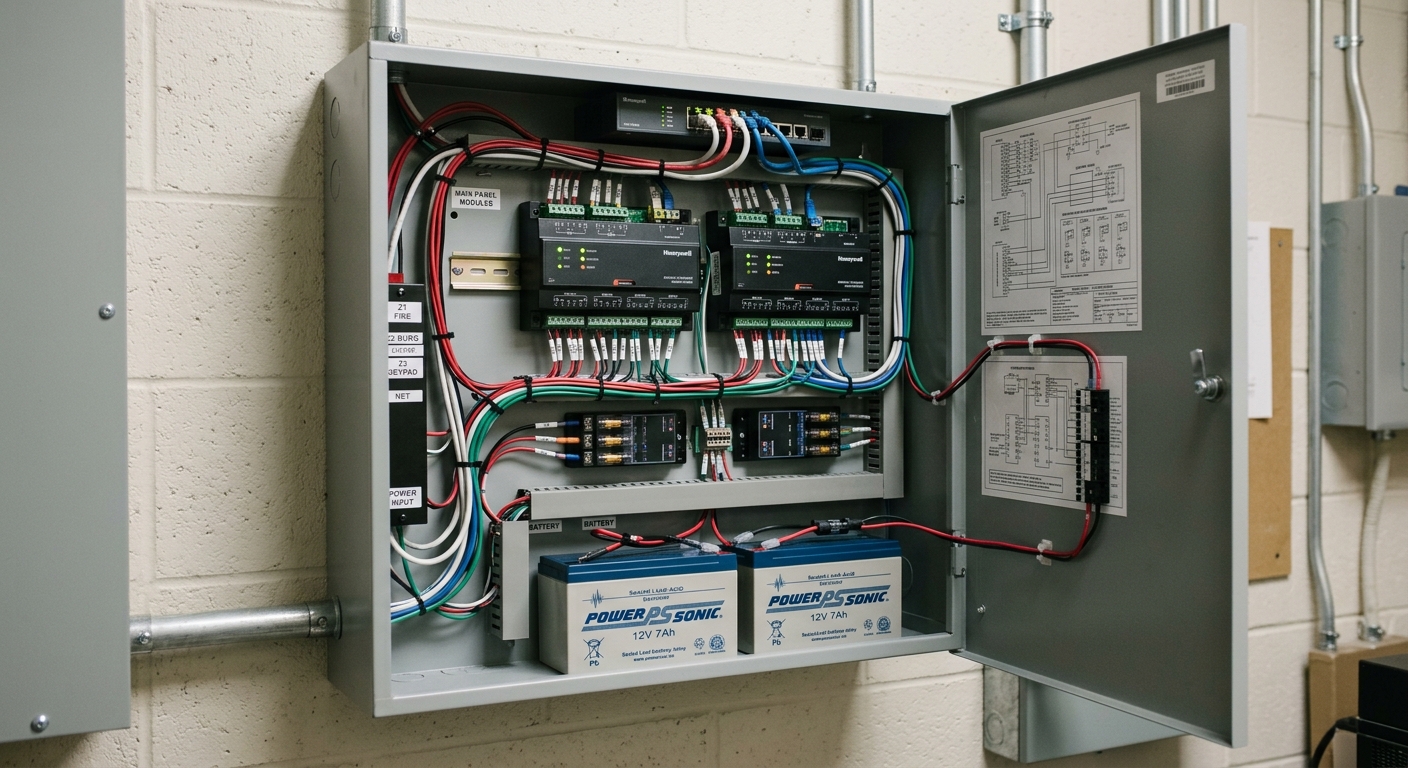
Electronic access control replaces mechanical keys with digital identity credentials and automated locking hardware. When an authorized person presents a credential near an entry reader, the system verifies permissions in a fraction of a second.
- Credentials: Smart key fobs, RFID cards, or mobile smartphone tags transmit encrypted user identity codes.
- Card Readers: Wall-mounted sensors capture credential signals and pass data to a central control panel.
- Electric Strikes & Magnetic Locks: Heavy-duty electromechanical latches release immediately once authorization is confirmed.
Centralized management software controls every entry point across your layout. Administrative staff can modify user access rights instantly, revoke lost tags, or set temporary entry permissions without issuing new physical hardware.
Key Business Reasons to Upgrade to Access Control
Transitioning to digital door entry provides significant operational and security benefits over conventional physical keys.
Eliminates Rekeying Expenses
When an employee leaves an organization, traditional locks often need rekeying to prevent unauthorized entry. With electronic access control, revoking a user's permissions takes seconds in your management dashboard. The credential becomes instantly useless while remaining staff tags continue operating normally.
Detailed Audit Logs and Reporting
Access control software logs every entry attempt, providing a time stamped digital audit trail across all monitored doors. Detailed activity records help management review security incidents, verify staff arrival times, and maintain accurate building occupancy records for emergency evacuations.
Restricting Access to High-Risk Zones
Not every team member requires access to every room in your building. Access control enables role-based security, allowing you to restrict sensitive locations such as server rooms, file archives, stockrooms, or executive suites to authorized personnel only.
Types of Credentials for Modern Workplaces
Selecting the right credential technology depends on your required security level and daily foot traffic.
- Proximity Cards & Key Fobs: Provide quick, contact-free entry for standard office spaces.
- PIN Keypads: Allow entry via individual numeric codes, removing the need to carry physical tags.
- Biometric Scanners: Use fingerprint or facial recognition hardware to secure high-value zones against credential sharing.
- Mobile Credentials: Allow staff to unlock doors using Bluetooth or NFC on their smartphones, lowering hardware tag management costs.
Integrating Access Control with Broader Security Systems
Standalone door control delivers baseline protection, but combining entry hardware with alarm panels and surveillance cameras creates an active defense network.
Connecting door readers to video surveillance triggers automatic high-definition camera recording whenever an unauthorized entry attempt occurs. Reviewing Bosch & other alarm brands: which system suits your property? shows how integrated alarm control panels work alongside door access hardware to minimize false alerts and speed up emergency response times.
Professional Setup and Compliance Considerations
Installing commercial access control requires technical expertise, precise lock fitting, and compliance with Australian building regulations. Fire safety standards require emergency exit doors to allow free egress during evacuations regardless of electronic lock status.
Licensed technicians execute clean lock cutouts, install concealed wiring, and configure management software tailored to your operational hours. Professional deployment guarantees seamless door operation and keeps your physical property protected around the clock.
Securing Your Premises with Tailored Entry Systems
Upgrading to electronic access control gives you complete command over your facility's physical security. Balancing your requirements across credential types, door hardware, and software integration keeps your staff and valuable commercial assets protected.
Our local technicians can walk you through the ideal access control configuration for your commercial site, so contact our team for a free quote today and let us secure your premises.